

How to Eat Arepas and Enjoy Them Fully
The first time someone picks up an arepa, there is usually a quick pause - do I eat it like a sandwich, tear it apart, use a fork, or just go for it? If you have ever wondered how to eat arepas, the good news is simple: there is no stiff rulebook here. Arepas are comfort food. They are meant to be enjoyed with your hands, with your appetite, and with the kind of ease that makes a meal feel like home.
That said, not every arepa is eaten the exact same way. Some are stuffed and held like a sandwich. Some are topped and better with a fork and knife. Some are served plain on the side, ready to soak up sauces, meats, eggs, or cheese. The best way to eat an arepa depends on how it is prepared, what it is filled with, and honestly, how hungry you are.
How to eat arepas without overthinking it
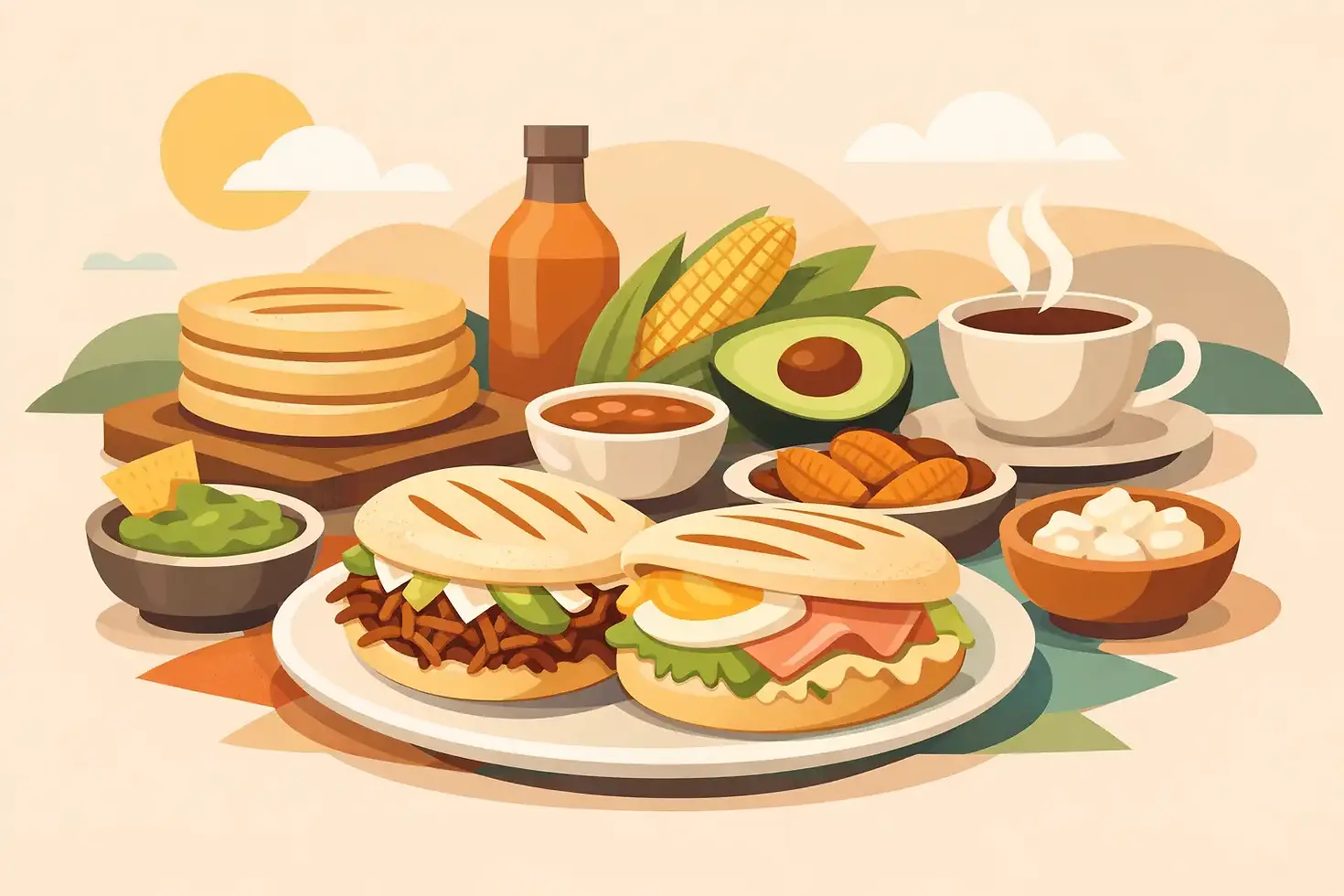
Start with the texture. A good arepa has a lightly crisp outside and a soft, warm center. That contrast is part of the whole experience. If the arepa is stuffed, hold it with both hands and take a bite from the edge, just like you would with a generously filled sandwich. You do not need to flatten it, cut it into pieces first, or make it look neat. Arepas can be gloriously messy, especially when they are packed with shredded beef, chicken salad, black beans, cheese, or avocado.
If the filling is especially generous, take smaller bites and let the arepa hold everything together. That is one of its gifts. The corn cake itself has structure, so it can carry rich, savory fillings without turning soggy too fast. Still, some arepas are loaded enough that a fork becomes helpful near the end. That is not doing it wrong. That is just respecting gravity.
When an arepa is served unstuffed, treat it more like bread or a side. Tear off a piece and eat it with butter, cheese, eggs, grilled meats, or whatever is on your plate. In many Venezuelan meals, arepas are part of the table, not the entire table. They can sit beside a full breakfast, lunch, or dinner and quietly make everything better.
The different ways arepas are served
One reason people ask how to eat arepas is because there is more than one style. A stuffed arepa is probably the version most people picture first. It is sliced open and filled with ingredients, sometimes simply, sometimes generously enough to require a strategic first bite. This style is hearty, practical, and satisfying enough to be a full meal.
Then there are arepas served split with fillings layered more openly, or topped rather than tucked inside. These can feel a little less portable and a little more like a plated dish. In that case, using a fork and knife makes perfect sense, especially if there is sauce, melted cheese, or a runny egg involved.
You will also find smaller arepas, thinner arepas, grilled arepas, fried arepas, and regional variations that shift the texture. A fried arepa with cheese may have more crunch and richness. A grilled one may taste a little smokier and feel lighter. The eating style follows the preparation. Crisp, handheld arepas invite a casual bite. Softer, fuller, plated arepas invite a slower meal.
What to eat with arepas
Arepas do not need much to be good, but they play very well with bold flavors. Cheese is one of the most classic companions, whether melted inside, layered with other fillings, or served on the side. Shredded beef, chicken, pork, black beans, avocado, and plantains all feel right at home with the corn flavor of the arepa.
At breakfast, arepas are excellent with eggs. The combination is warm, filling, and straightforward in the best way. At lunch or dinner, they can carry rich meats and sauces without losing their character. The slightly sweet, earthy taste of corn gives balance to salty cheese, seasoned meats, and creamy fillings.
If you are ordering sides, think in terms of comfort and contrast. Crispy tequeños, empanadas, or fried plantains can turn the meal into a full spread. Fresh sauces or creamy elements add moisture. A cold drink alongside a hot arepa also makes a difference, especially if the filling is rich.
How to eat arepas like a local
The most local way to eat arepas is also the least complicated: eat them while they are hot and do not be shy about using your hands. Arepas are everyday food in Venezuela. They are deeply loved not because they are fancy, but because they are reliable, flavorful, and woven into daily life. They belong at breakfast tables, quick lunches, late dinners, and family gatherings.
That means there is no need to treat them like a special-occasion dish that requires ceremony. The real spirit of an arepa is warmth, generosity, and satisfaction. If the filling spills a little, that is part of the fun. If you end up needing extra napkins, you are probably having a good one.
There is also a rhythm to eating them. You do not rush the first bite. You notice the crust, the steam, the way the filling meets the corn. Then you settle in. A good arepa is filling, so it is worth pacing yourself, especially if you ordered sides or more than one variety.
Are you supposed to cut an arepa?
Yes, sometimes. No, not always.
If your arepa is small, neatly stuffed, and easy to hold, eat it with your hands. That is the most natural approach. If it is heavily filled, covered in toppings, or served on a plate with sauce, cutting it is completely normal. A fork and knife are tools, not signs that you missed the point.
For kids, first-timers, or anyone wearing a light-colored shirt they actually care about, cutting an arepa in half can also be a smart move. It gives you a better grip and helps keep the filling from sliding out on the first bite. The trade-off is that some of the handheld joy disappears. It depends on the arepa and the moment.
Common mistakes when eating arepas
The biggest mistake is waiting too long. Arepas are best warm, when the outside still has texture and the inside is soft and fragrant. Leave one sitting too long, and it can firm up. Still tasty, just not at its peak.
Another mistake is overloading every bite with extra sauce before you know what the arepa already offers. A well-made arepa has balance built in. Taste it first. Then add more if you want. Too much sauce can overpower the corn, and that subtle corn flavor matters more than people expect.
One more mistake is treating all arepas like they should be eaten the same way. A breakfast arepa with eggs behaves differently from a stuffed beef arepa or a cheese-forward one fresh off the griddle. Let the style guide your approach instead of forcing one method onto every version.
If it is your first time, start here
Choose an arepa with a filling that sounds familiar to you, especially if you are new to Venezuelan food. Chicken and cheese, shredded beef, or a simple cheese arepa are easy entry points because they let you enjoy the texture of the arepa without too many competing flavors. Once you know what you like, branch out into combinations with beans, avocado, pork, or sweeter savory contrasts like plantains.
When your arepa arrives, give it a second. Not long enough to cool down, just long enough to avoid a steam burn from an eager first bite. Then pick it up and start at the edge. If it is packed full, use both hands. If the filling starts to slip, tilt it slightly upward as you eat. That one small move saves a lot of shirts.
And if you are sharing a table, order different styles. Arepas are one of those foods that invite conversation because everyone has a favorite combination, and nobody explains it the same way twice.
At places built on hospitality and real flavor, like Arepa King, that is part of the experience. You are not just ordering food. You are joining a tradition that is warm, filling, and made to be enjoyed without fuss.
So if you have been wondering how to eat arepas, here is the honest answer: eat them fresh, eat them warmly, and eat them in the way that lets you enjoy every bite. The best arepa is not the one eaten perfectly. It is the one that leaves you already thinking about the next one.


Comments